How to Choose a Barcelona City Tour in Ciutat Vella
Choosing a barcelona city tour is less about finding the biggest itinerary and more about matching the day to your interests, pace and starting point. Ciutat Vella is a dense part of the city, with narrow lanes, busy squares and several well known sights close together. That makes it a useful base for exploring on foot, but it also means a poor plan can turn a pleasant day into a rush between crowded stops.
Start with the shape of the day. Decide how long you want to be out, whether you prefer a slow walk or a route with transport, and how much structure helps you enjoy the city. A first visit may call for a broad route through the old centre. A return visit may be better with a deeper focus on architecture, markets, viewpoints or neighbourhood details.
Set your priorities before comparing options
Write down the things you most want to see, then separate them into must see and nice to have. Barcelona rewards a clear plan because travel time can build up quickly, even over short distances. If your heart is set on Sagrada Familia, Park Güell and the Gothic Quarter, you will need a different pace from someone who wants a relaxed wander around Las Ramblas, La Boqueria Market and Barcelona Cathedral.
Watch for routes that try to cover too much. A long list can sound generous, but it often leaves little time to look up at a facade, sit with a coffee or take in a square. For a city tour, the best route usually has a few strong stops and enough breathing room between them. Think about what you want to remember afterwards, not just what you can tick off.
One local option is Sagrada Familia & Barcelona City Tour. If you are comparing local businesses such as Sagrada Familia & Barcelona City Tour, keep the comparison grounded in your own plan: which places matter to you, where you want to begin and how you like to spend a day outdoors.
Choose a starting point that makes sense
Location matters more than many visitors expect. Ciutat Vella puts you close to the Gothic Quarter, Barcelona Cathedral, Las Ramblas and La Boqueria Market, so a walking route can begin near your accommodation or a transport stop. If you stay elsewhere, check how you will reach the meeting area and whether the route ends somewhere convenient. A tour that starts and finishes in awkward places can add stress at both ends.
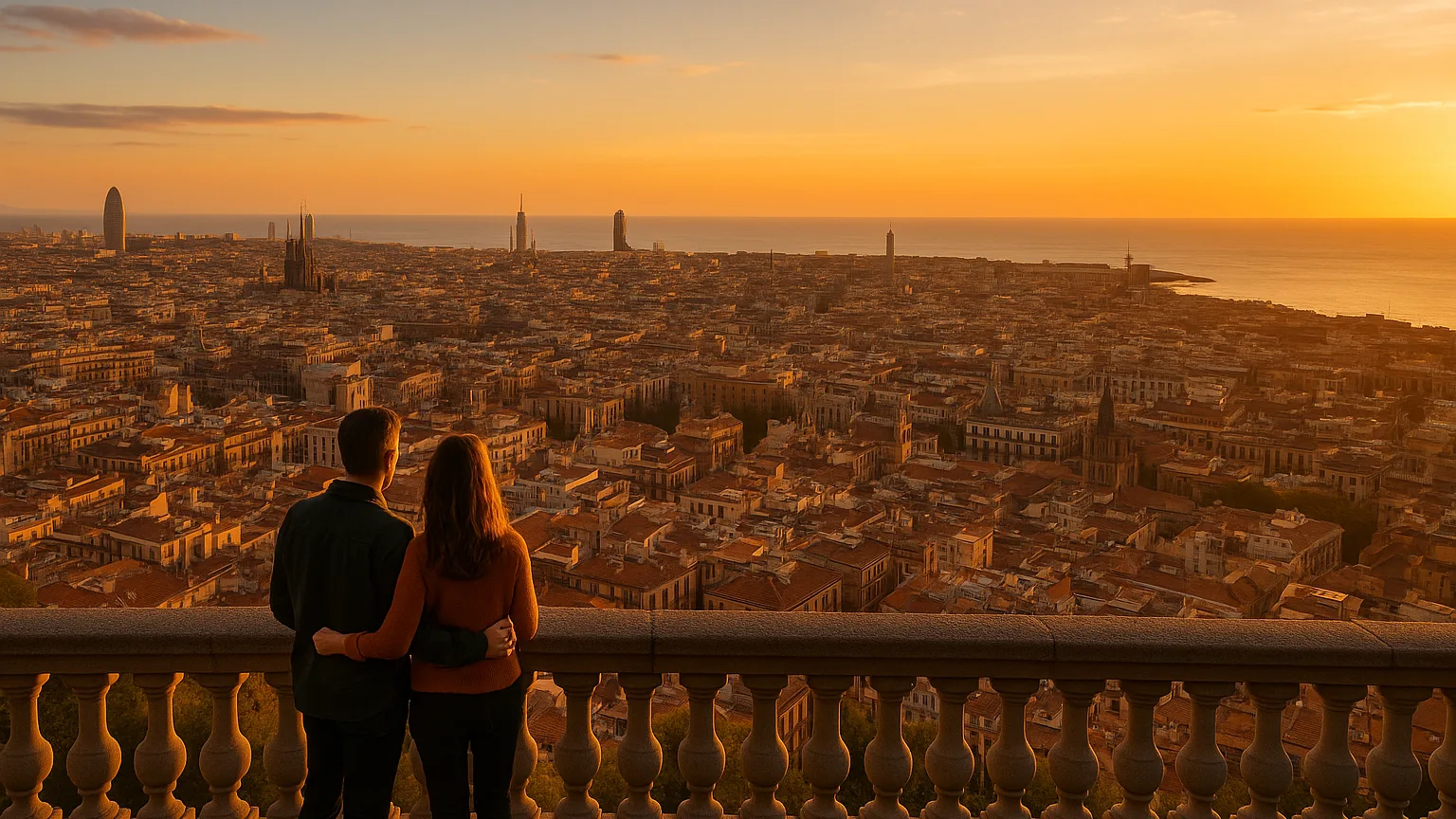
When reading a route description, look for a clear meeting point, not only a neighbourhood name. A square can have several entrances, and a busy street can be hard to scan when people are moving quickly. Confirm the exact spot with whichever business you choose, including what to do if you arrive a little early or need to change your plan.
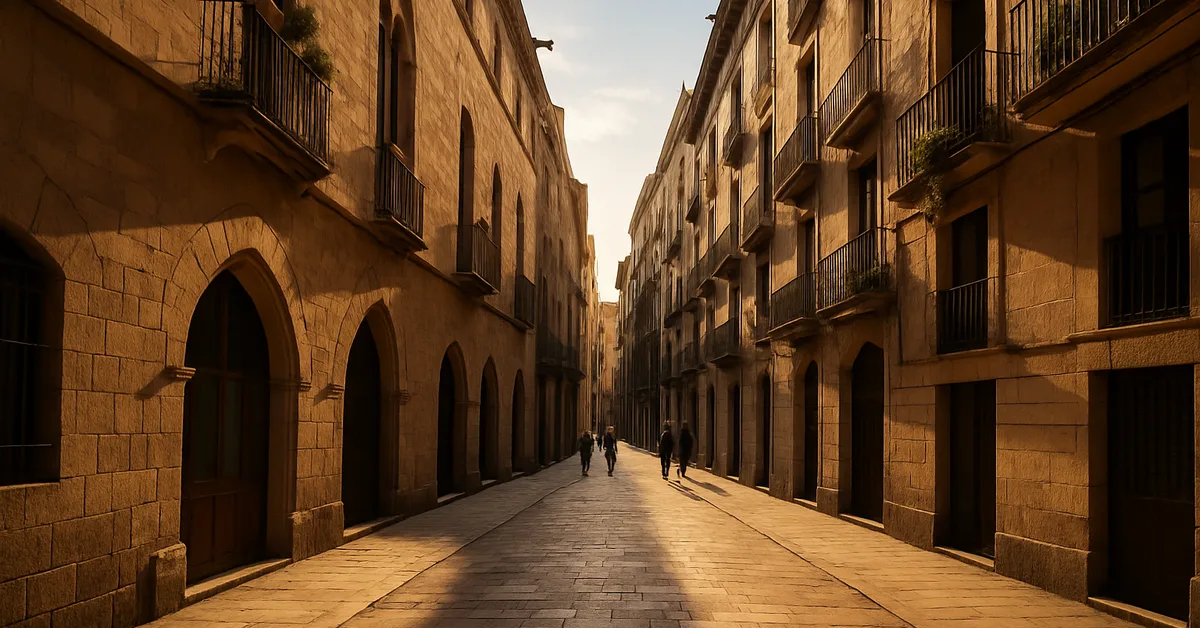
Also consider the physical shape of the route. Ciutat Vella has cobbled areas, steps, kerbs and tight pavements. Comfortable shoes matter more than style here. If anyone in your group needs a slower pace, frequent stops or step free access, check that before committing. A route that looks short on a map can still feel tiring in warm weather or heavy crowds.
Match the format to your travel style
Different tour formats suit different days. A guided walk works well when you want context, questions answered and a route that keeps moving. A self paced approach suits travellers who like to linger, take photos or change direction. A hop-on hop-off bus can help when you want to cover greater distance with less walking, though it may not take you into the narrowest parts of the old centre.
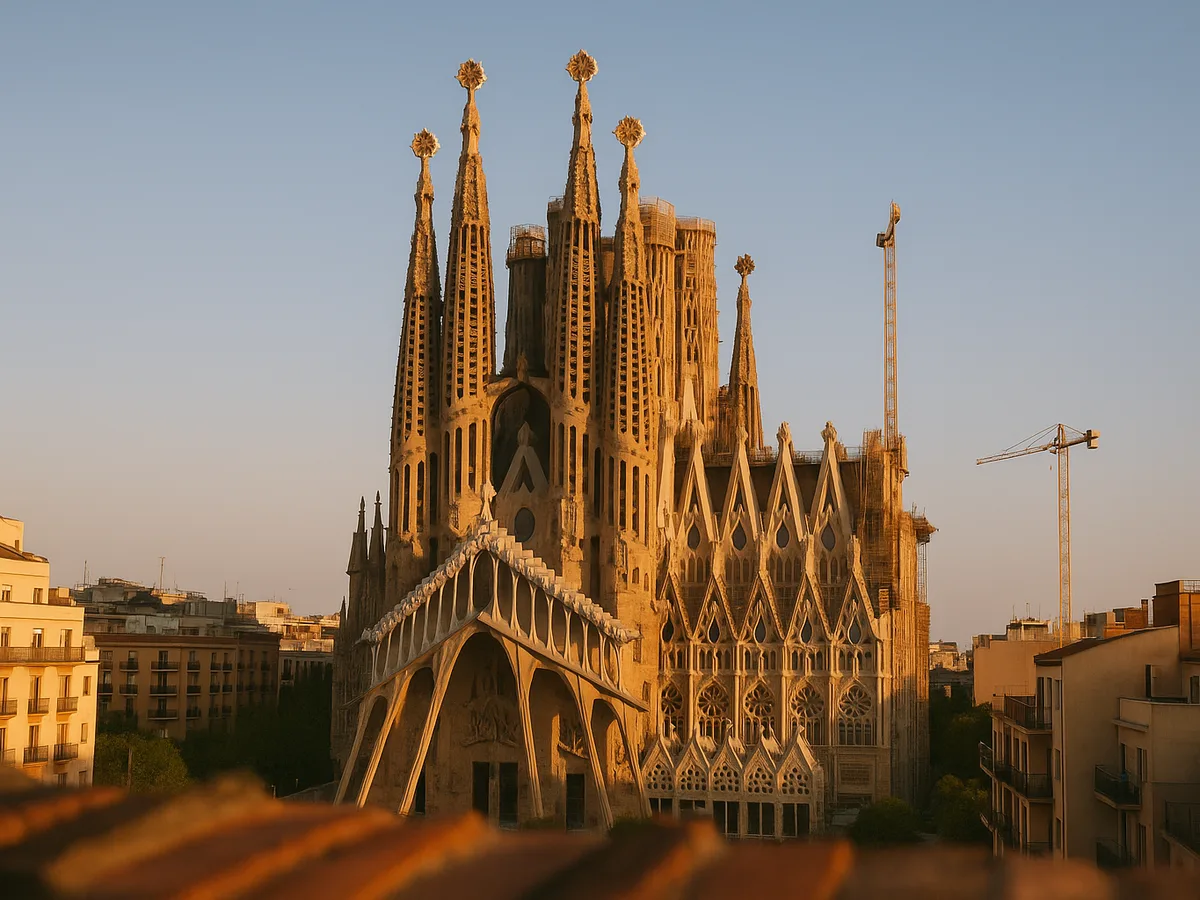
Think about how your chosen format handles the places on your list. Sagrada Familia and Park Güell are major draws, but they sit outside the tightest core of Ciutat Vella. Including them with several old town stops takes planning. Montjuïc Castle adds another shift in setting and height. A good fit is one that connects your priorities without making you feel transported from one crowded landmark to the next.
Group size can change the feel of a tour. Smaller groups tend to allow more questions and easier movement through busy streets. Larger groups may move more slowly at stops and can be harder to hear in noisy areas. If hearing is important, ask about audio support or the way the guide speaks to the group. If you value conversation, a smaller setting may suit you better.
Read the route with a critical eye
A route should name the places you will see and explain what happens at each one. Watch for vague wording such as city highlights if you have specific expectations. Some tours only pass a landmark, while others stop nearby for a look or a short explanation. Those are different experiences, especially at busy sites where road access and crowd control shape what is possible.
Check the balance between outdoors and indoor time. Barcelona is pleasant for walking for much of the year, but summer heat can make midday routes demanding. Rain can also change the appeal of open squares and viewpoints. If the weather is uncertain, choose a plan with sheltered pauses or the option to shorten the day. Ask what happens if conditions make part of the route uncomfortable.
Food is another point to think through. A route that passes La Boqueria Market may not include a tasting, and the difference should be clear before you book. If a meal is part of the day, check whether it fits your dietary needs and whether there is time to sit down. It is better to plan a separate food stop than to assume a market visit will cover lunch.
Check timing, access and practical details
Once a route suits you, look at the timing. Morning can be calmer around popular streets, while late afternoon gives a different light and a slower finish. Consider the days you are in the city, because some attractions and public spaces follow their own schedules. Confirm opening times, entry requirements and access rules with whichever business or venue you choose, since these details can change.
Build in gaps between activities. A barcelona city tour does not need to fill every hour. Time for a drink, a short rest or an unplanned detour often becomes the part people remember. This is especially true in Ciutat Vella, where side streets reward curiosity. If the day is tightly packed, one delayed entrance can affect everything after it.
Before you commit, check how the tour handles changes. Ask about the meeting point, what happens if you are late, whether the route can be adjusted and what happens if a stop is unavailable. Clear answers are a good sign. Vague answers may still be fine, but they mean you should leave more flexibility in your own schedule.
Make the final choice with a simple test
Picture the day from start to finish. You leave your base, reach the meeting point, follow the route, take breaks and return home. If any part of that picture feels rushed or confusing, adjust the plan. The right choice should make the city easier to enjoy, not turn the day into a test of endurance.
Use this short test before choosing:
- Does the route include your main places, with enough time at each one?
- Is the meeting point easy to reach from where you are staying?
- Does the pace suit everyone in your group?
- Are timing, access and stop details clear enough to plan around?
A sensible barcelona city tour leaves room for the city itself. You might want the old lanes, the wide boulevards, a famous basilica or a view over the rooftops. Whatever draws you in, choose a plan that puts those priorities first and keeps the practical details simple. Ciutat Vella is best enjoyed with attention, comfortable shoes and a little space for surprises.
Sagrada Familia & Barcelona City Tour is associated with Plaça de la Rosa dels Vents, 1, Ciutat Vella, 08039 Barcelona, Spain, and can be contacted at +34 632 93 79 41.